How General Dentistry Baton Rouge Helps Families Maintain Healthy Smiles
@laneedkj825
October 20, 2026 · 14 min read


A healthy smile rarely comes down to one dramatic fix. More often, it reflects small decisions repeated over years, regular exams, timely cleanings, a well-placed filling before a crack deepens, a dentist who notices a child’s bite shifting, a parent who finally replaces an old crown before it fails at the worst possible time. That is where general dentistry earns its value. It is not flashy, but it is the part of oral healthcare that keeps families steady.
For families in Baton Rouge, that steady care matters. Schedules are packed, school calendars move fast, sports and work obligations pile up, and dental problems do not wait for a convenient week. A dependable general dentist becomes part of a family’s routine in the same way a pediatrician or family doctor does. The goal is not simply to clean teeth. It is to help every member of the household stay ahead of pain, avoid preventable treatment, and keep normal life moving.
When people search for general dentistry Baton Rouge, they are often looking for more than a location. They are looking for consistency, trust, and practical care that works for toddlers, teenagers, busy adults, and older relatives. A strong general dental practice fills that role by managing the common needs most families face and by spotting changes before they become expensive or urgent.
What general dentistry really covers for a family
General dentistry sits at the center of everyday oral health. It includes preventive care such as cleanings, exams, digital X-rays, fluoride treatments when appropriate, and guidance on brushing, flossing, diet, and cavity risk. It also includes restorative services like fillings, crowns, bridges, and treatment for worn or damaged teeth. Many general dentists also manage gum health, screen for oral cancer, evaluate jaw discomfort, and coordinate specialty referrals when a case goes beyond the scope of routine care.
For a family, that range matters because dental needs rarely arrive one at a time. A seven-year-old may need sealants. A teenager may need monitoring for wisdom teeth or sports mouthguard advice. One parent may have grinding-related wear. Another may need a replacement filling after years of coffee, stress, and deferred appointments. A grandparent helping with childcare may be dealing with dry mouth from medication or a loose partial denture. A well-run general practice can track all of that without turning oral health into a separate project for each person.
This is one of the quiet strengths of general dentistry. It gives families a home base. Records stay together. The dentist begins to recognize patterns. If a child is unusually prone to cavities, the office may flag shorter recall intervals. If a parent has a history of breaking molars, the dentist may watch existing restorations more closely. Over time, those details add up to better decisions.
Preventive care is where families save the most trouble
Most people understand that regular checkups are important, but many still underestimate how much preventive care changes the long-term picture. In practice, the difference between a simple filling and a root canal often comes down to timing. The difference between a manageable gum issue and advanced periodontal treatment can come down to years of missed cleanings. Preventive care does not guarantee a cavity-free life, but it strongly improves the odds that problems stay smaller, easier, and less disruptive.
That is especially true for children. Young patients often do not know how to describe early symptoms. A child may chew on one side, stop finishing cold drinks, or become irritable during brushing without ever saying, “This tooth hurts.” During routine visits, a general dentist can catch decay in its early stages, note crowding or habits that affect development, and coach both child and parent on the practical side of home care. Sometimes that guidance is very simple, like changing to a smaller toothbrush head, using a smear or pea-sized amount of fluoride toothpaste based on age, or identifying that a child is grazing on sticky snacks too often after school.
Adults benefit from the same kind of vigilance, although the issues look different. Many adults in Baton Rouge balance long workdays, commuting, family obligations, and stress. That combination often shows up in the mouth. Clenching and grinding can wear enamel and strain jaw joints. Acidic drinks can erode tooth surfaces slowly enough that the damage feels invisible until sensitivity appears. Gum inflammation may stay painless for years while bone support gradually changes. A general dentist sees these patterns regularly and can intervene before the patient faces a larger repair.
Why family dentistry works best when it is routine, not reactive
There is a big difference between having a dentist and using a dentist only when something hurts. Reactive care tends to be more expensive, more invasive, and harder to fit into life. Routine care spreads treatment out in a manageable way. It also reduces the emotional burden many families carry around dental visits.
Children notice how adults approach healthcare. If the household treats dental appointments like emergencies or punishments, kids absorb that anxiety. If appointments are ordinary, predictable, and calm, children usually adapt better. A family-oriented general practice can make this easier by creating familiarity. Staff members learn names, remember who gets nervous, and adjust communication styles based on age and personality. That may sound minor, but in a real office, it changes the tone of care.
I have seen many families shift from avoidance to consistency simply because the experience became more manageable. A parent who once delayed treatment for years is far more likely to keep up with care after a straightforward exam, a clear explanation, and a realistic treatment plan. The same goes for teenagers who are old enough to understand consequences but still need structure. The most effective general dentists do not rely on lectures. They explain what they see, what can wait, what should not wait, and why.
Baton Rouge families often face practical dental challenges
Every community has its own rhythm, and dental routines are shaped by ordinary life. In Baton Rouge, families often juggle school pickups, extracurricular schedules, long work hours, and weather disruptions that can throw a week off course. Dental care has to fit around all of that. Offices that help families stay on track tend to offer appointment systems that respect real schedules, including clustered family appointments when possible and treatment planning that prioritizes what matters most first.
Diet and habit patterns also play a role. Sweet drinks, sports beverages, frequent snacking, and convenience foods can all increase cavity risk, especially when consumed throughout the day rather than at meals. That does not mean every family needs a perfect pantry. It means a good general dentist looks at habits honestly and gives advice that people can actually use. Telling a teenager never to drink sports drinks is less effective than explaining when they are most harmful, how to reduce exposure, and when to rinse with water.
Baton Rouge families may also deal with storm-related stress, interrupted routines, and the tendency many people have to postpone healthcare during busy seasons. Teeth do not care whether the calendar is crowded. Small issues keep moving. A dental home helps families recover faster after those lapses because there is already a baseline, a chart, and a professional relationship in place.
Children need more than “no cavities”
For kids, healthy smiles are about development as much as cleanliness. Baby teeth matter. They help children chew comfortably, speak clearly, and hold space for permanent teeth. When they are lost too early because of decay or trauma, the effects can travel forward into bite problems and crowding. General dentists who see children routinely can watch how the mouth changes over time, not just whether a cleaning looks good on a given day.
That long view becomes important around school age, when permanent teeth begin to arrive in stages and oral hygiene often gets sloppier before it gets better. Children want independence before they have the dexterity for thorough brushing. Parents often assume a child who can dress alone can brush effectively alone. In reality, many grade-school children still need supervision or a second pass at night. Dentists and hygienists see this constantly, and practical coaching at that stage can prevent a string of avoidable fillings.
Adolescence brings a different set of concerns. Orthodontic referrals may become appropriate. Wisdom teeth may enter the conversation. Diet often shifts toward more autonomy, more convenience foods, and more sugary or acidic beverages. Sports increase the risk of dental trauma, especially without a custom or properly fitted mouthguard. A teenager may also be more self-conscious about appearance, which can be an opening for better home care if the message is framed well. General dentistry supports that transition by combining prevention, education, and realistic accountability.
Adults often ignore gradual change until it becomes obvious
Adults are remarkably good at adapting to dental changes they should not ignore. They chew on the other side. They avoid ice water. They stop flossing where the gum bleeds because it feels unpleasant. They accept occasional jaw soreness as normal stress. By the time they schedule an appointment, the issue has often been building for months or years.
General dentistry is where those patterns get interrupted. Routine exams can reveal old fillings that are breaking down, early cracks in heavily used molars, recession that exposes sensitive root surfaces, and wear patterns that suggest nighttime grinding. Catching these signs early does not always mean immediate major treatment. Sometimes it means monitoring. Sometimes it means a small bonded repair or a night guard before the damage progresses. Good judgment matters here. Not every worn tooth needs a crown, and not every stain needs cosmetic intervention. Families do best when their dentist can distinguish between what is urgent, what is elective, and what simply deserves observation.
That measured approach builds trust. It also helps patients budget. One of the most helpful things a general dentist can do for a family is sequence treatment intelligently. If someone needs several procedures, the order should reflect health priorities, symptom level, and practical finances. A painful tooth and active decay come before elective whitening. A failing crown that risks fracture may take priority over a small, nonurgent chip on a front tooth. These are ordinary decisions, but they shape whether families can maintain care consistently.
Gum health tends to be underestimated
When people think about dental problems, cavities usually come to mind first. Gum disease gets less attention, largely because it can be quiet in the early stages. Bleeding during brushing is often dismissed. Mild bad breath gets blamed on coffee or lunch. A little recession seems cosmetic until sensitivity starts. Yet gum health affects the stability of the entire mouth.
General dentistry plays a critical role here because routine hygiene visits and periodontal evaluations are often the first place problems are identified. Mild gingivitis can often improve significantly with better daily care and professional cleanings. More advanced gum disease may require deeper treatment and closer maintenance intervals. The important point is that earlier intervention is simpler.
Families should also know that gum issues do not always track neatly with age. Some younger adults develop problems because of smoking, vaping, inconsistent home care, genetics, or systemic health factors. Some older adults maintain excellent gums for decades because they stay consistent with hygiene and appointments. A family dentist sees enough variation to avoid one-size-fits-all assumptions.
The value of a dentist who can treat the whole household
There is practical comfort in having one office that understands the needs of multiple generations. Parents do not have to re-explain medical histories at every stop. Siblings can be scheduled together. Grandparents helping with transportation can work with a familiar team. And when something changes, the office often notices quickly because there is already context.
This continuity matters during common family transitions. A child grows from first visits to sealants to teenage maintenance. A parent moves from routine cleanings to replacing worn restorations in midlife. An older adult may need more monitoring for dry mouth, root decay, or denture fit. Through all of that, the best general dentistry Baton Rouge practices keep records detailed enough to guide future choices, not just react to present symptoms.
Continuity also improves communication. If a child has sensory sensitivities, that note stays with the chart. If a parent has a strong gag reflex, staff can adapt radiograph timing and positioning. If a family tends to schedule care around school breaks, the office can plan ahead. These are not dramatic medical breakthroughs. They are the kind of practical details that make healthcare usable.
What families should expect from a strong general dental practice
A good family dental experience is usually straightforward. The office communicates clearly, respects time, explains findings in plain language, and avoids turning every minor issue into alarm. Patients should leave understanding what was found, what needs attention now, what can be watched, and how to care for the mouth between visits.
There are a few signs families often appreciate once they have experienced them:
- Clear explanations of treatment options, including what happens if you wait.
- Preventive advice tailored to age, habits, and risk, not generic scripts.
- Sensible scheduling that helps families keep routine care from slipping.
- A calm, respectful approach to anxious patients and first-time children.
- Willingness to coordinate referrals when specialized care is truly needed.
That last point is important. Good general dentists know their scope and use specialists when appropriate. If a child needs orthodontic evaluation, a tooth needs root canal therapy, or gum disease requires advanced management, a referral is a sign of sound judgment, not a limitation. Families are best served when their general dentist acts as the central coordinator of care.
Home habits still decide much of the outcome
Professional care matters, but most dental health is built at home. The challenge is that home care advice often sounds simple while daily life is not. Parents are rushing through bedtime. Teenagers resist reminders. Adults fall asleep on the couch after long days. The best advice is usually the kind that survives imperfect routines.
Two minutes of brushing with fluoride toothpaste, once in the morning and carefully before bed, remains a strong baseline. Daily cleaning between teeth matters because toothbrush bristles do not reach tight contact areas well. Water helps after acidic drinks or snacks. Frequent sipping is usually harder on teeth than having the same item with a meal. These are basic points, yet families benefit most when they are translated into real-life choices.
A practical home approach often looks like this:
- Keep brushing supplies visible and easy to reach, especially for children.
- Pair flossing or interdental cleaning with an existing evening habit so it is harder to skip.
- Limit constant grazing, particularly on sticky or sugary foods.
- Use follow-up dental visits to adjust the routine instead of waiting for a problem.
- Replace toothbrushes regularly, especially after illness or when bristles splay.
Notice that none of this requires general dentistry baton rouge Elements Dental Spa & Aesthetics perfection. It requires repeatability. Families do better with a routine they can sustain than with a burst of enthusiasm that fades after two weeks.
Healthy smiles are built through relationships and timing
The phrase “healthy smile” can sound cosmetic, but for most families it means something more durable. It means a child can eat without pain, a teenager can laugh without embarrassment, a parent can get through a workday without a throbbing molar, and an older adult can chew comfortably and speak clearly. Those outcomes depend on relationships, timing, and trust far more than people realize.
General dentistry supports those outcomes by making oral healthcare regular instead of occasional. It creates a place where small issues are noticed, where habits are refined without judgment, and where treatment decisions reflect both clinical need and family reality. For Baton Rouge households trying to stay healthy while managing everything else life demands, that kind of care is not a luxury. It is part of staying functional, comfortable, and confident over the long term.
When families find the right dental home, the benefits compound quietly. Children grow up less fearful of care. Adults stop postponing repairs until they become urgent. Grandparents keep better function and comfort. Appointments become ordinary, which is exactly what good preventive care should be. That is the everyday strength of general dentistry Baton Rouge families rely on, not because it promises perfection, but because it helps real people protect their health one practical visit at a time.
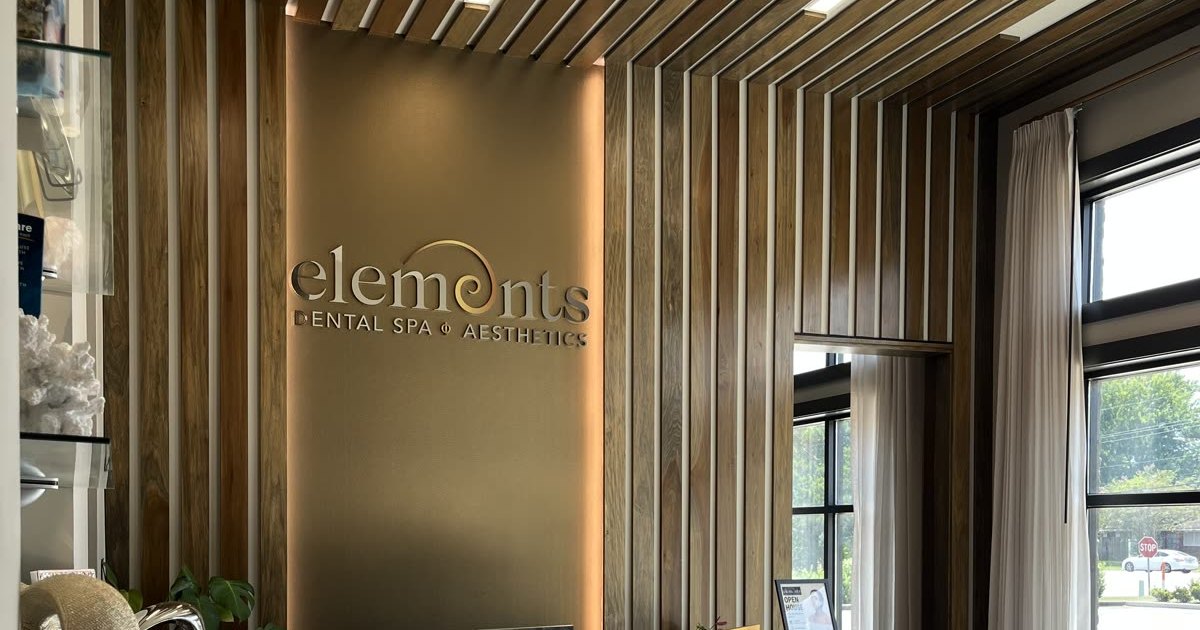
Elements Dental Spa & Aesthetics: Baton Rouge Dentist & Aesthetic Spa
Address: 8287 Goodwood Blvd, Baton Rouge, LA 70806
Phone number: +12259252118
FAQ About General Dentistry Baton Rouge
What is meant by general dentistry?
General dentistry is the primary branch of healthcare that focuses on the overall diagnosis, prevention, and treatment of conditions affecting the teeth, gums, and oral cavity.
What is the difference between a dentist and a general dentist?
The term dentist is a broad professional category for any licensed doctor who diagnoses, prevents, and treats oral health issues, while a general dentist is a specific type of dentist who acts as your primary, everyday oral healthcare provider.
What is considered general dental?
General dentistry is your primary source for routine, preventive, and basic restorative oral care.